Post-London Marathon Recovery: Your Complete Rehabilitation Guide
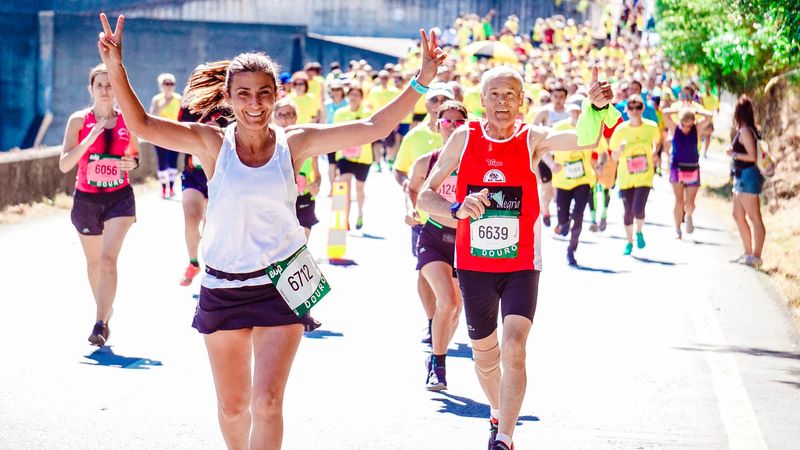
Congratulations on completing the 2026 London Marathon! Whether you crossed the finish line at The Mall with a personal best or simply soaked in the incredible atmosphere along the 26.2-mile route from Greenwich, you have achieved something truly remarkable. Now comes a crucial phase that many runners overlook: proper recovery.
The days and weeks following a marathon are just as important as the months of training that got you to the start line. Your body has been through an immense physical challenge, and how you recover now will determine not only how quickly you bounce back, but also your long-term running health and performance.
The First 24-48 Hours: Immediate Post-Race Recovery
In the immediate aftermath of crossing the finish line, your body is in a state of significant physiological stress. The muscles have sustained micro-trauma, inflammation is setting in, and your immune system is temporarily compromised.
What to do right away: Keep moving gently rather than coming to an abrupt stop. A short walk helps prevent blood pooling in the legs and reduces post-race stiffness. Rehydrate steadily and consume a combination of carbohydrates and protein within the first hour to kickstart the recovery process.
Resist the temptation to sit in an ice bath for extended periods. While ice can help manage acute inflammation, prolonged icing may actually interfere with the natural healing response your body needs to adapt and strengthen. Instead, gentle compression socks and elevation can help manage swelling effectively.
When to Worry: Red Flags That Need Professional Assessment
Most post-marathon discomfort is normal – sore muscles, general fatigue, and some stiffness are par for the course. However, certain symptoms warrant prompt physiotherapy assessment:
Sharp, localised pain that does not improve with rest could indicate a stress fracture, particularly in the foot, shin, or hip. Pain that worsens rather than improves over the first few days, significant swelling in a joint, or an inability to bear weight normally are all signs that professional evaluation is needed.
Achilles tendon pain that persists beyond general muscle soreness deserves particular attention, as does any knee pain accompanied by clicking, locking, or giving way. These symptoms often indicate underlying issues that, if addressed early, can prevent chronic problems developing.
The First Week: Active Recovery Strategies
During the first week post-marathon, complete rest is not actually optimal. Your body responds better to active recovery – gentle movement that promotes circulation without adding additional stress to damaged tissues.
Swimming, aqua jogging, and cycling at very low intensity are excellent choices. These activities maintain cardiovascular fitness while minimising impact on weight-bearing joints. Gentle yoga or Pilates can help address the muscle imbalances and tightness that inevitably develop during months of running-focused training.
Sports massage during this period can be highly beneficial, helping to reduce muscle tension, improve circulation, and identify any areas of concern before they develop into more significant issues. At ProPhysiotherapy, we often see runners who could have avoided weeks of downtime by addressing minor niggles in those crucial first few days.
Common Post-Marathon Issues and How Physiotherapy Helps
Delayed Onset Muscle Soreness (DOMS)
Nearly every marathon runner experiences DOMS – that deep, achy muscle pain that typically peaks 24-72 hours after the race. While uncomfortable, DOMS is a normal part of the repair process. However, physiotherapy techniques including soft tissue work, gentle stretching protocols, and targeted exercises can significantly reduce the duration and intensity of symptoms.
Iliotibial Band Syndrome
The repetitive nature of marathon running makes ITB syndrome a common post-race complaint. Runners often describe pain on the outside of the knee that may not have been problematic during training but becomes aggravated by the extended duration of race day. Physiotherapy addressing hip strength, ITB flexibility, and running biomechanics is essential for resolving this issue before returning to running.
Plantar Fasciitis Flare-Ups
The high mileage and hard road surfaces of the London Marathon route can trigger plantar fasciitis, even in runners who have never experienced heel pain before. Early intervention with specific stretching exercises, gait analysis, and potentially shockwave therapy can prevent this from becoming a chronic condition.
Patellofemoral Pain (Runner's Knee)
Post-marathon knee pain is frequently related to the patellofemoral joint. This responds well to physiotherapy focusing on quadriceps and hip strengthening, along with manual therapy techniques to address any biomechanical factors contributing to the problem.
The Return to Running: A Gradual Approach
One of the biggest mistakes post-marathon runners make is returning to training too quickly. The general guidance is one day of recovery for every mile raced – meaning approximately 26 days before resuming structured training. This does not mean 26 days of complete inactivity, but rather a graduated return that respects your body's healing timeline.
Week two post-marathon might include easy 20-30 minute runs at a conversational pace. Week three can gradually increase duration. Only after three to four weeks should you consider any faster running or longer distances. This conservative approach significantly reduces injury risk and allows your body to fully adapt and strengthen.
A physiotherapist can provide an individualised return-to-running programme based on your specific recovery progress, any injuries sustained, and your future running goals. This personalised approach is far more effective than generic online training plans.
Building Long-Term Resilience
The post-marathon period offers an ideal opportunity to address the imbalances, weaknesses, and movement patterns that months of focused running may have created. Clinical Pilates can develop core strength and stability. Targeted strength training addresses common runner weaknesses in the hips, glutes, and ankles.
A comprehensive physiotherapy assessment can identify biomechanical issues – whether that is excessive foot pronation, hip drop, or upper body asymmetries – that may not have caused problems during this training cycle but could lead to injury in future.
How ProPhysiotherapy Can Support Your Recovery
Our team of experienced sports physiotherapists understands the unique demands of marathon running and the specific challenges of post-race recovery. We provide thorough assessments, evidence-based treatment, and individualised rehabilitation programmes to get you back to your running goals safely and effectively.
Whether you are dealing with a specific injury, want to optimise your recovery, or are already planning your next marathon and want to build a stronger foundation, we are here to help.
For post-London Marathon assessments and rehabilitation, contact our Earlsfield clinic on 020 8879 1555 or our Wimbledon clinic on 020 8946 2800, or get in touch online.
You have conquered 26.2 miles – now let us help you recover properly so you can continue enjoying the sport you love for years to come.